
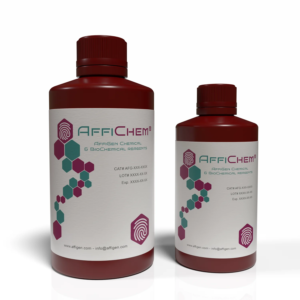
Tris (Tris(hydroxymethyl)aminomethane) is one of the most commonly used biological buffers in molecular biology, biotechnology, and pharmaceuticals. It plays a vital role in stabilizing pH during biochemical reactions, such as protein purification, nucleic acid manipulation, and cell culture. In its GMP (Good Manufacturing Practices) grade, Tris Solution is produced under stringent quality control conditions to meet regulatory standards, ensuring safety and consistency in clinical and biopharmaceutical applications.
What is Tris Solution?
Tris is an organic compound with a chemical formula C₄H₁₁NO₃. It is often used to prepare buffer solutions, particularly in electrophoresis, cell culture, and protein purification. Tris is favored because it has a near-neutral pH when dissolved in water and its pH remains relatively stable across a range of temperatures, making it ideal for sensitive biological assays.

GMP Grade: Ensuring Safety and Quality
In the context of GMP, Tris Solution is manufactured in compliance with regulatory guidelines set by the FDA and EMA. GMP ensures that every batch of Tris Solution meets high-quality standards, critical in clinical trials and commercial production where consistency is paramount.
GMP Tris Solution guarantees that raw materials are sourced, processed, and tested according to the highest standards, reducing the risks of contamination or variations in the final product. The FDA’s GMP guidelines mandate that GMP-grade buffers like Tris must undergo rigorous testing to ensure safety and efficacy, especially when used in drug manufacturing or clinical trials.
Applications of Tris Solution in GMP-Grade Settings
- Protein Purification: Tris buffers are widely used in protein purification protocols, including affinity chromatography and ion-exchange chromatography. According to a study from NIH, GMP-grade Tris buffers ensure protein stability and activity during the purification process, making them essential for producing biologics like monoclonal antibodies.
- Electrophoresis: Tris buffers are a key component in SDS-PAGE and other electrophoresis techniques. The CDC notes that GMP-grade buffers are critical in diagnostic applications where consistent results are required to detect and analyze proteins and nucleic acids accurately.
- Cell Culture: Tris Solution is often used to maintain the pH of cell culture media. In this role, the buffer helps support optimal growth conditions for cell lines used in research and biopharmaceutical manufacturing. According to the U.S. Department of Health & Human Services (HHS), using GMP-grade Tris ensures that cell cultures are maintained in a controlled and consistent environment, which is crucial when developing therapeutic products.
- Nucleic Acid Manipulation: In processes such as DNA and RNA extraction, Tris buffer provides a stable environment for nucleic acids. The FDA recommends GMP-grade buffers to prevent contamination and ensure high-quality yields of nucleic acids for downstream applications like PCR or next-generation sequencing.
- Biopharmaceutical Manufacturing: The production of vaccines, monoclonal antibodies, and other biologics often requires GMP-grade buffers to ensure that all production steps comply with regulatory standards. Tris Solution GMP is essential for maintaining product consistency, as highlighted by the European Medicines Agency (EMA), which mandates strict controls for buffers used in biopharmaceutical production.
Benefits of Using Tris Solution GMP
- Consistent Quality: GMP-grade Tris Solution is manufactured under strict quality controls, ensuring batch-to-batch consistency. This is essential for clinical and industrial processes where minor variations could affect product quality, as emphasized by the National Institutes of Health (NIH).
- Regulatory Compliance: Using GMP-grade materials ensures that biopharmaceutical companies comply with regulatory requirements during the production of drugs and vaccines. The FDA mandates that GMP-grade products must meet stringent criteria for safety, purity, and potency.
- Safety in Clinical Trials: When used in clinical research or therapeutic production, GMP-grade Tris Solution ensures that any product developed meets safety standards. The CDC highlights the importance of using GMP-compliant reagents in clinical settings to reduce the risk of contamination or adverse reactions.
- Long-Term Stability: GMP-grade Tris Solution is tested for long-term stability, making it ideal for pharmaceutical applications where the product may need to be stored for extended periods without degradation. According to the WHO, long-term stability testing is essential for ensuring the efficacy of pharmaceutical products throughout their shelf life.
- Versatile pH Control: Tris is valued for its ability to maintain stable pH across a range of temperatures and conditions. This makes it a versatile buffer for a variety of applications, from protein crystallization to cell culture, as noted by PubMed Central (PMC).

Conclusion
Tris Solution GMP is an essential reagent in both the pharmaceutical and biotechnology industries. Its role in maintaining pH stability and supporting critical biochemical reactions makes it indispensable for applications ranging from protein purification and nucleic acid extraction to cell culture and biopharmaceutical manufacturing.
By adhering to the FDA and EMA guidelines, GMP-grade Tris Solution ensures that every step in drug development, clinical trials, or therapeutic production meets the highest standards of quality, consistency, and safety. As a result, Tris Solution GMP is widely used across research and clinical applications to ensure reliable outcomes and regulatory compliance.