
The Human TPK1 Antibody is an essential reagent for studying TPK1 (Thiamine Pyrophosphokinase 1), a key enzyme responsible for the phosphorylation of thiamine (vitamin B1) to its active form, thiamine pyrophosphate (TPP). TPK1 plays a crucial role in cellular energy metabolism, particularly in the pentose phosphate pathway and mitochondrial function. Dysregulation of TPK1 is associated with neurodegenerative diseases, metabolic disorders, and thiamine metabolism abnormalities.
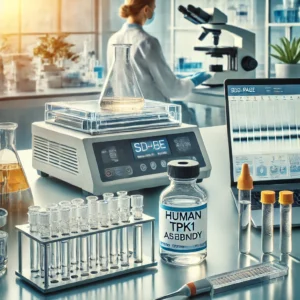
Overview of TPK1 (Thiamine Pyrophosphokinase 1)
Key Features of TPK1:
- Function: Catalyzes the conversion of thiamine to thiamine pyrophosphate (TPP), an essential cofactor for enzymes involved in carbohydrate metabolism.
- Localization: Predominantly cytoplasmic but also found in mitochondria.
- Tissue Expression: Expressed in tissues with high metabolic activity, including the brain, liver, and muscle.
- Clinical Relevance:
- Mutations in the TPK1 gene are linked to thiamine metabolism dysfunction syndrome (THMD2), a rare autosomal recessive disorder.
- Associated with neurological symptoms such as ataxia and encephalopathy.
For detailed information, visit UniProt TPK1 Database or NCBI Gene Database.
Features of the Human TPK1 Antibody
- High Specificity:
- Specifically targets TPK1 protein with minimal cross-reactivity to related proteins.
- Broad Applicability:
- Suitable for various experimental techniques, including:
- Western Blot (WB): Detects TPK1 protein in cell and tissue lysates.
- Immunohistochemistry (IHC): Visualizes TPK1 expression in formalin-fixed tissues.
- Immunofluorescence (IF): Studies subcellular localization in cells.
- Suitable for various experimental techniques, including:
- Species Reactivity:
- Validated for use in human, mouse, and rat models.
- Reliable Performance:
- Tested for high reproducibility and low background signals.
Applications in Research
- Metabolic Studies:
- Investigates the role of TPK1 in energy metabolism and mitochondrial function.
- Neurological Research:
- Explores TPK1’s involvement in neurodegenerative diseases and thiamine deficiency-related disorders.
- Genetic Disorders:
- Studies the impact of TPK1 mutations on cellular metabolism and disease progression.
- Drug Development:
- Evaluates TPK1 as a therapeutic target for metabolic and neurological conditions.
Protocols for Human TPK1 Antibody Use
Western Blot (WB):
- Sample Preparation:
- Isolate protein from cells or tissues and quantify concentration.
- Electrophoresis:
- Separate proteins on an SDS-PAGE gel and transfer them to a membrane.
- Antibody Incubation:
- Dilute the TPK1 antibody (1:1000–1:5000 recommended) and incubate overnight at 4°C.
- Detection:
- Use an HRP-conjugated secondary antibody and chemiluminescent substrate.
Immunofluorescence (IF):
- Cell Fixation:
- Fix cells with 4% paraformaldehyde and permeabilize with 0.1% Triton X-100.
- Primary Antibody:
- Incubate with TPK1 antibody (1:200–1:1000 dilution) for 1 hour at room temperature.
- Secondary Antibody:
- Apply a fluorophore-conjugated secondary antibody for imaging.
Benefits of Using the Human TPK1 Antibody
- High Sensitivity:
- Detects endogenous TPK1 at physiological expression levels.
- Versatility:
- Suitable for multiple techniques, from basic research to clinical applications.
- Reproducibility:
- Consistent results across different experimental setups.
- Cost-Effective:
- Reliable and affordable for routine laboratory use.
Challenges and Future Directions
Challenges:
- Optimization: Protocols may require adjustment depending on sample type and experimental conditions.
- Cross-Reactivity: Ensure specificity in complex sample mixtures.
Future Innovations:
- Multiplex Assays:
- Develop panels to study TPK1 alongside other metabolic enzymes.
- Therapeutic Development:
- Target TPK1 in treatments for thiamine metabolism disorders and related conditions.
Conclusion
The Human TPK1 Antibody is a vital tool for advancing our understanding of thiamine metabolism, energy production, and disease mechanisms. Its high specificity, broad applicability, and reliable performance make it indispensable for research in biochemistry, neuroscience, and metabolic studies.
For additional resources and support, visit: